Siberian flying squirrel, Hokkaido subspecies

No sign-up needed. You can save notes on this device.
An illustration based on the real animal.
A little discovery to share.
Ezo momonga also use holes made by woodpeckers as nests.
THE REAL WORLD
The real Siberian flying squirrel, Hokkaido subspecies
- Scientific name
- Pteromys volans orii
- Japanese name
- エゾモモンガ
- Group
- Land mammals
- Class
- Mammalia
- Order
- Rodentia
- Family
- Sciuridae
- Genus
- Pteromys
This page introduces the Hokkaido subspecies of the Siberian flying squirrel.
Ezo momonga is a subspecies of the Siberian flying squirrel.
How the Siberian flying squirrel, Hokkaido subspecies lives
They are active at night and hardly active during the day. They spend most of their time in trees. Siberian flying squirrels eat young branches and seeds among other foods in summer.
おびひろ動物園University of Michigan Animal Diversity WebBasic data
- Active
- At night (nocturnal)
Where the Siberian flying squirrel, Hokkaido subspecies has been recorded
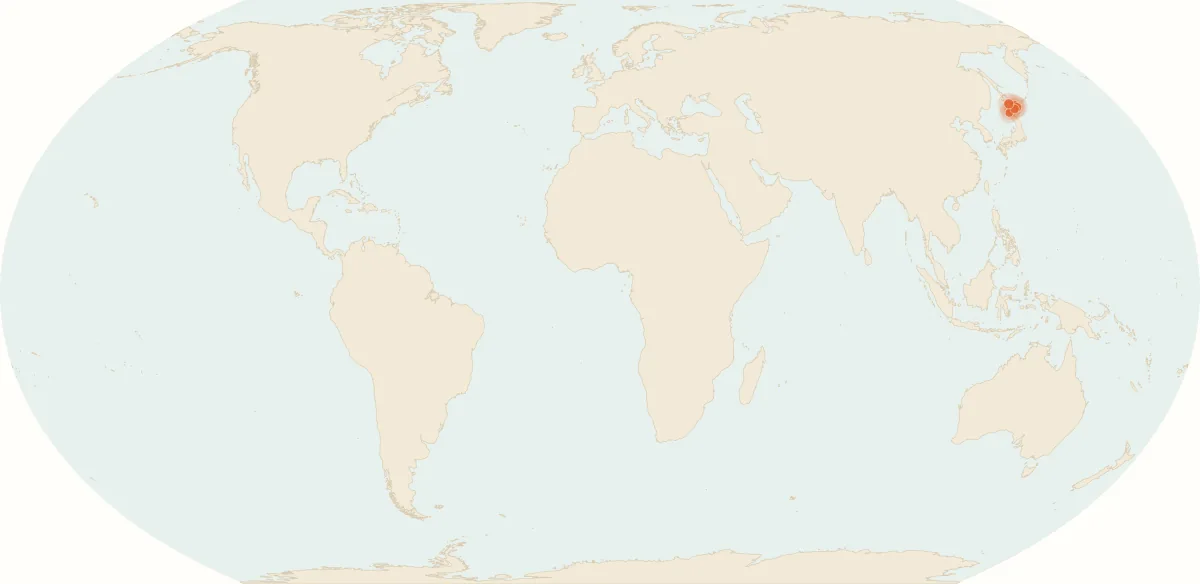
Records: GBIF.org (CC0 and CC BY 4.0 records, retrieved 2026-11-07). Map: Natural EarthSee the records on GBIF
Watch wild animals from a distance. Do not touch or feed them, and take care of the places where they live.
Names around the world
Names come from Wikidata and iNaturalist records. Where a language has no recorded name, we use the scientific name.
Sources and how we check
- おびひろ動物園 — エゾモモンガChecked: 2026-11-03
- 国立環境研究所 侵入生物DB — タイリクモモンガChecked: 2026-11-03
- University of Michigan Animal Diversity Web — Pteromys volansChecked: 2026-11-05
We check each fact against its source. The illustrations simplify how the real animal looks.
The classification (class, order, family, genus) follows Wikidata records, checked against GBIF. Classifications can change as research goes on.
The basic data are the values given in each source. They vary with how the animal is measured, whether it is male or female, and whether it lives in the wild or in captivity.
This page was translated from the original Japanese with the help of AI.
Report a mistakeWhen you meet the Siberian flying squirrel, Hokkaido subspecies, look for this
- Look for the large eyes in relation to the face.
Animals do different things from day to day, so you may not always see this.
国立環境研究所 侵入生物DBEXHIBIT INFORMATION
Places that keep or show the Siberian flying squirrel, Hokkaido subspecies
Zoos, aquariums and other places whose official websites say they keep or show this animal.
Hokkaido
Displays can change with the animals’ health and the seasons. Check each facility’s official website before you go.
RELATIVES
Others in Sciuridae


MORE TO MEET


